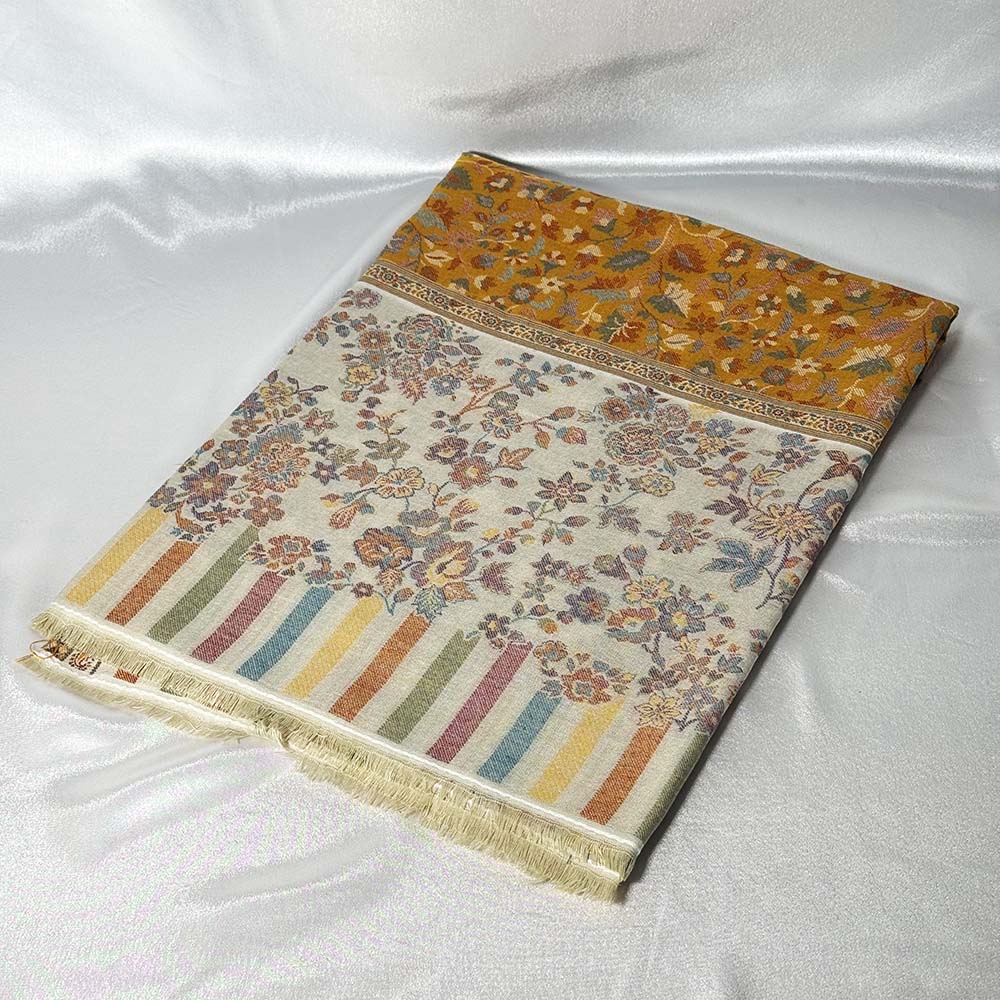
A groom’s wedding outfit is defined by more than a sherwani or kurta. The right accessories can add character, sophistication, and cultural detail to the complete look. A Men Shawl is one of the most versatile additions to traditional menswear, offering warmth, texture, and an elegant finishing layer. For modern grooms, choosing the right style can make a traditional outfit feel both timeless and contemporary.
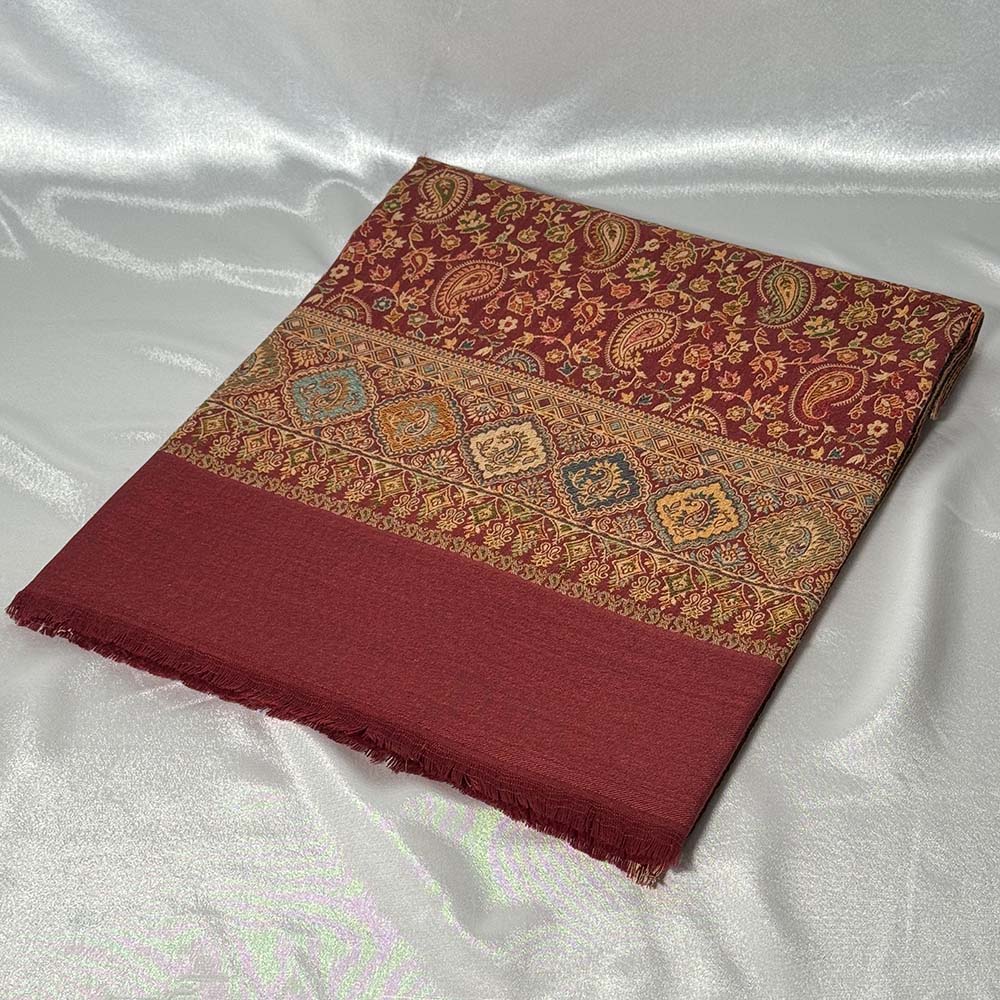
When exploring Men’s Shawls for Weddings, grooms have plenty of options to consider. Classic woven designs, patterned shawls, embroidered borders, and refined neutral styles can all work with different wedding outfits. The best choice depends on the ceremony, season, outfit colour, and the level of detailing already present in the clothing.
The relationship between a shawl and turban material should also be considered. A groom’s turban is often a key feature of the overall ensemble, so the shawl should complement its colour and texture. Matching does not have to be exact. Coordinated shades and contrasting textures can create a more sophisticated appearance.
A well-selected Men Shawl can also be styled across several wedding events. The same accessory may work with a formal sherwani for the main ceremony and a simpler kurta or waistcoat for a reception. Choosing a versatile design allows the groom to create different looks without replacing every accessory for each occasion.
Classic Woven Shawls for Timeless Style
Classic woven shawls remain popular because they provide understated elegance. Their appeal comes from texture, craftsmanship, and traditional character rather than excessive decoration.
A simple woven design can work particularly well with an embroidered sherwani. Instead of competing with detailed patterns on the outfit, the shawl adds another layer while keeping the overall appearance balanced.
Neutral shades such as cream, beige, grey, brown, and deep charcoal can also provide flexibility. These colours can complement several traditional outfits and remain useful beyond the wedding day.
For grooms who prefer timeless styling, a classic Men Shawl can become a reliable part of their formal wardrobe.
Patterned Shawls for a Distinctive Look
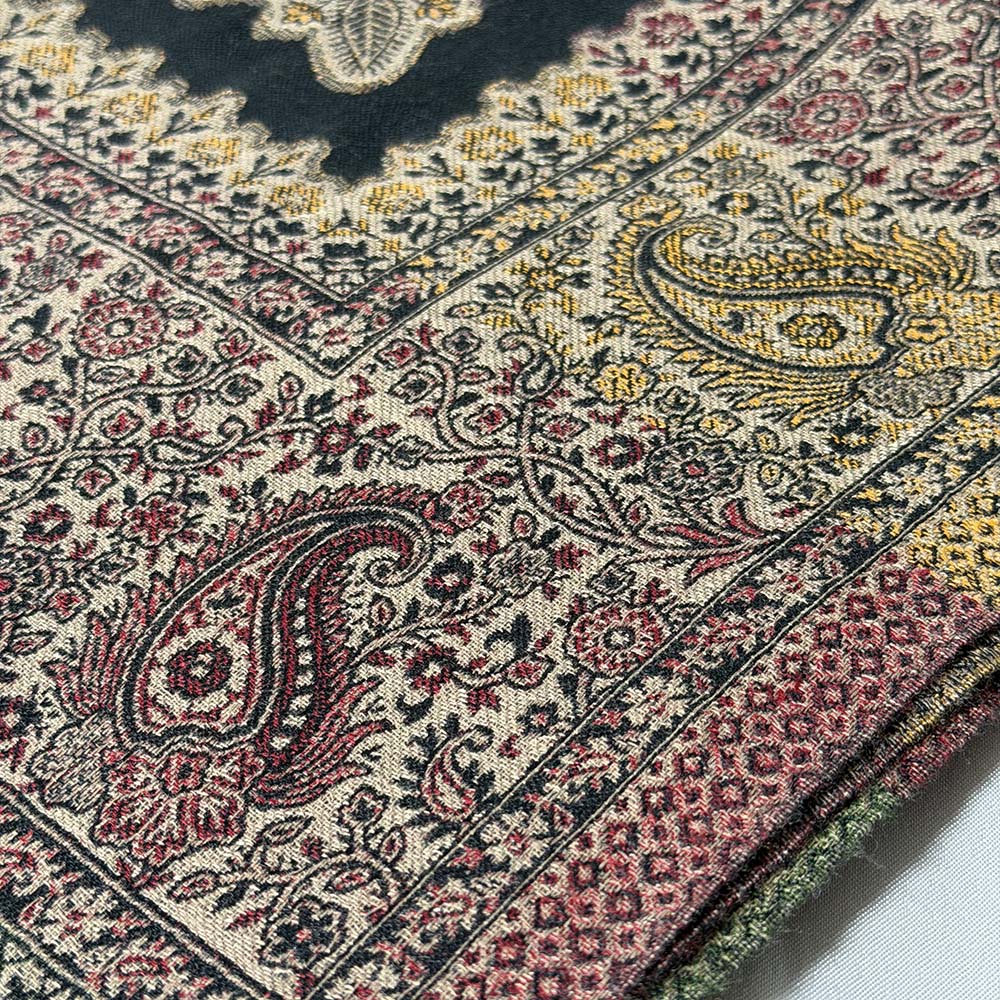
Patterned shawls offer an opportunity to introduce personality into traditional groom styling.
Subtle geometric patterns, traditional motifs, or woven textures can create visual interest without making the outfit appear overly complicated. The key is to consider the amount of pattern already present in the sherwani or kurta.
If the clothing features elaborate embroidery, a restrained pattern may work better. With a relatively simple outfit, a more distinctive shawl can become an attractive focal point.
This makes patterned Men’s Shawls for Weddings particularly useful for grooms who want their accessories to express individual style.
Embroidered Border Shawls
A shawl with an embroidered or decorative border can add a formal finishing touch to a groom’s outfit.
The border can be coordinated with embroidery on the sherwani, waistcoat, or kurta. Repeating a colour or subtle design detail helps create visual continuity throughout the ensemble.
However, the border should complement the outfit rather than compete with it. When both the clothing and shawl contain heavy embellishment, the overall look may become visually crowded.
A carefully selected border allows the groom to introduce luxury while maintaining balance.
Luxury Textured Shawls
Texture can make a significant difference to the appearance of traditional menswear.
Soft wool, woven blends, and other textured materials can create depth, particularly when paired with smooth fabrics such as silk or polished traditional clothing.
Textured shawls are especially useful for winter weddings because they combine practical warmth with formal styling. Their heavier appearance can also complement structured sherwanis and layered outfits.
When selecting a Men Shawl, consider how the texture interacts with the rest of the clothing. Contrasting textures can add sophistication without requiring additional colours or embellishments.
Lightweight Shawls for Modern Grooms
Not every wedding requires a heavy shawl. Lightweight styles can be ideal for warmer seasons, indoor venues, or grooms who prefer a less structured appearance.
A lighter shawl can be draped casually over one shoulder or arranged neatly around the upper body. This creates a contemporary look while retaining traditional character.
Lightweight Men’s Shawls for Weddings can also work well when the groom’s outfit already contains substantial embroidery or layering. A simpler accessory can help maintain visual balance.
Choosing the Right Shawl With Your Turban
The turban and shawl should work as parts of one coordinated outfit.
When selecting turban material, consider its colour, texture, and finish alongside the shawl. A smooth turban can create an appealing contrast with a textured shawl, while complementary fabrics can produce a more unified appearance.
Colour coordination is equally important. The shawl does not need to match the turban exactly. Instead, choose shades that belong to the same colour family or create tasteful contrast.
For example, a neutral shawl can allow a more vibrant turban to stand out, while a richly coloured shawl can complement a simpler turban.
Styling the Shawl With a Sherwani
The sherwani is one of the most popular choices for formal wedding ceremonies, and a shawl can enhance its traditional silhouette.
For an embellished sherwani, consider a shawl with subtle detailing. This allows the embroidery on the main outfit to remain visible.
With a simpler sherwani, a patterned or bordered Men Shawl can add additional character.
The drape also matters. A structured arrangement can create a formal appearance for ceremonies and photographs, while a more relaxed drape can suit receptions and informal celebrations.
Pairing a Shawl With a Kurta
A shawl can make a kurta-based outfit look more polished without making it excessively formal.
For daytime functions, a lightweight shawl in a neutral or muted shade can create an elegant appearance. For evening celebrations, richer colours and more distinctive textures can add sophistication.
A waistcoat can also be layered between the kurta and shawl to create greater depth. The result is a versatile outfit that can move comfortably between traditional and contemporary styling.
Choosing Colours That Work
Colour selection should reflect the entire wedding outfit rather than the shawl alone.
Gold, ivory, beige, maroon, navy, charcoal, cream, and other refined tones can work with a wide range of traditional menswear. More vibrant shades can be used when the rest of the outfit is relatively understated.
Before choosing a colour, consider the sherwani, kurta, turban, footwear, and accessories together. A focused colour palette usually creates a cleaner appearance.
Prioritising Comfort and Quality
Style should never come at the expense of comfort.
Wedding ceremonies can involve long periods of standing, sitting, walking, and photography. The shawl should therefore have a suitable weight and feel comfortable when draped for extended periods.
Check the fabric, dimensions, stitching, finishing, and care requirements before purchasing. Quality construction can also help the accessory remain useful for future celebrations.
A well-made Men Shawl can become more than a wedding accessory. It can remain part of a groom’s formal wardrobe for festivals, family occasions, religious celebrations, and future weddings.
Styling for Different Wedding Events
Modern grooms often attend several events throughout the wedding celebrations, and each occasion may call for a slightly different look.
A richly detailed shawl can suit the main ceremony, while a lightweight or simpler design may work better for a daytime function. Changing the draping style can also create variety without requiring a completely different outfit.
The versatility of Men’s Shawls for Weddings makes them particularly useful for grooms who want to maintain a consistent personal style across multiple celebrations.
The key is to select a shawl that complements the outfit, coordinates with the turban material, and reflects the formality of each event.