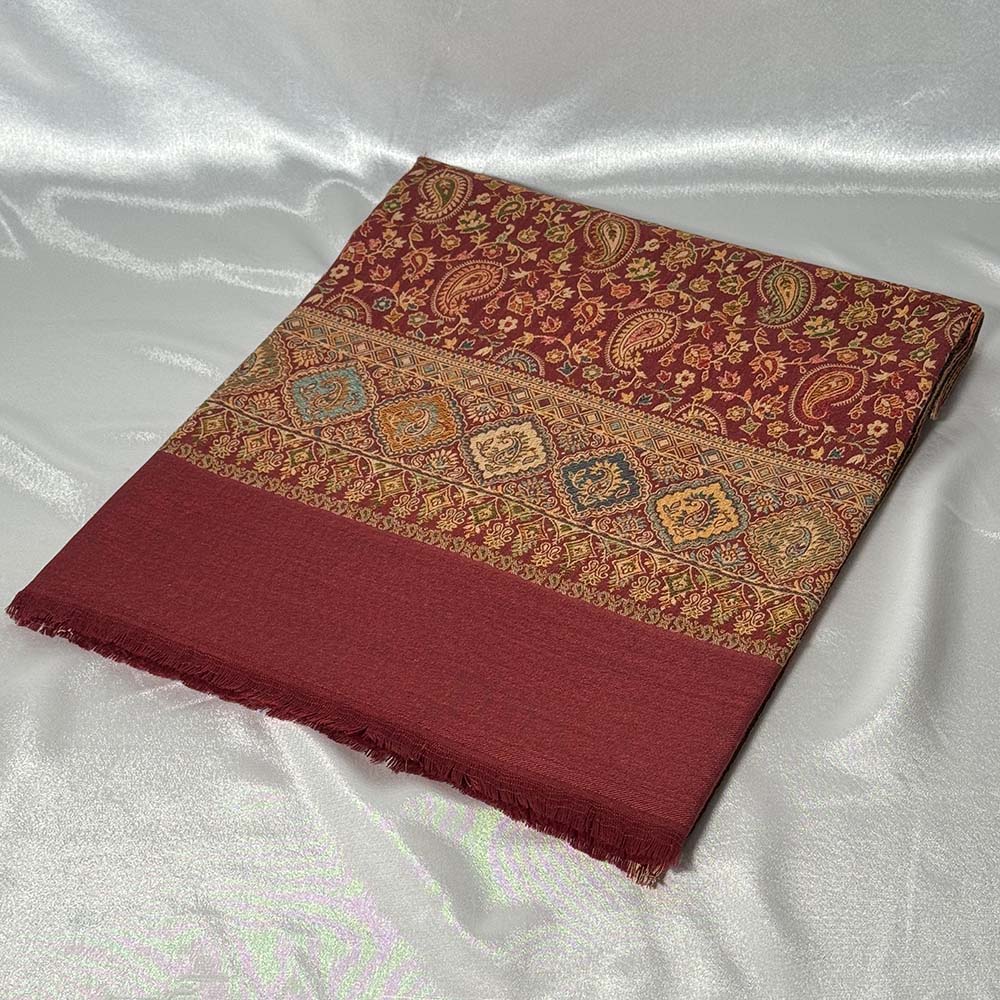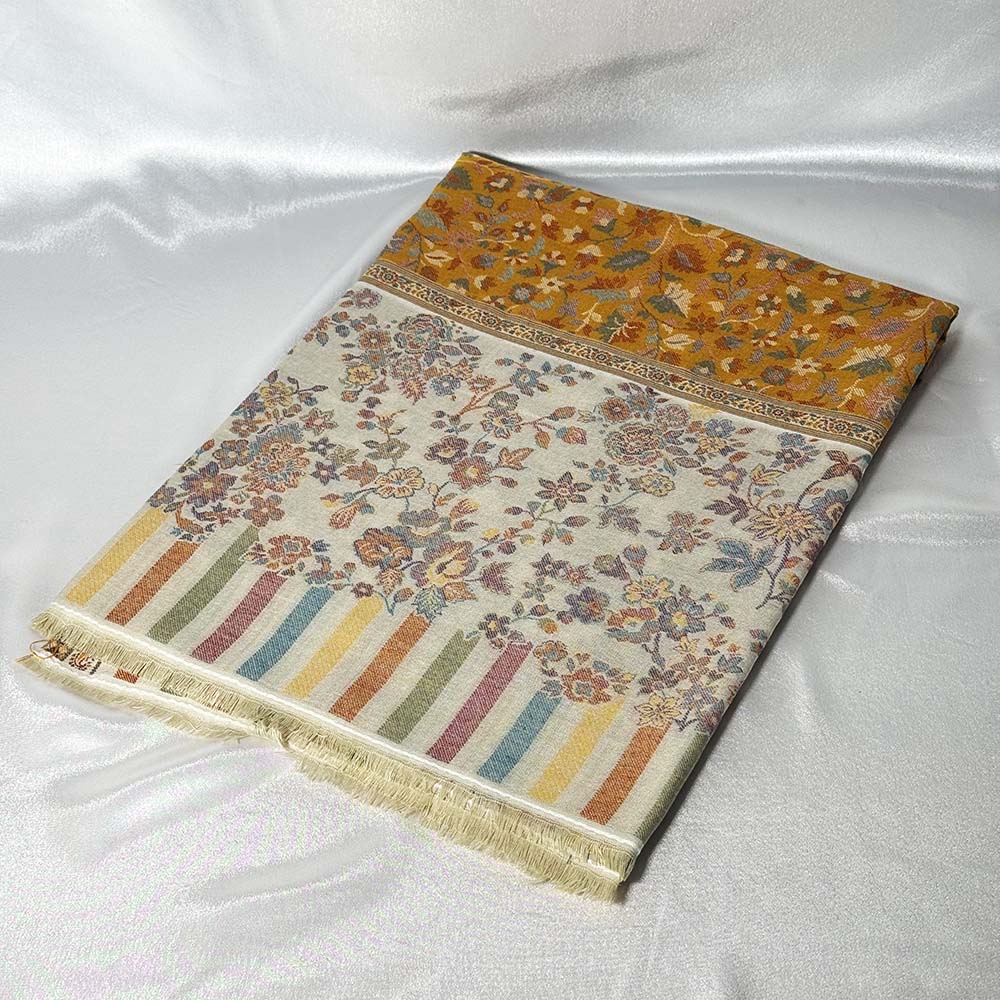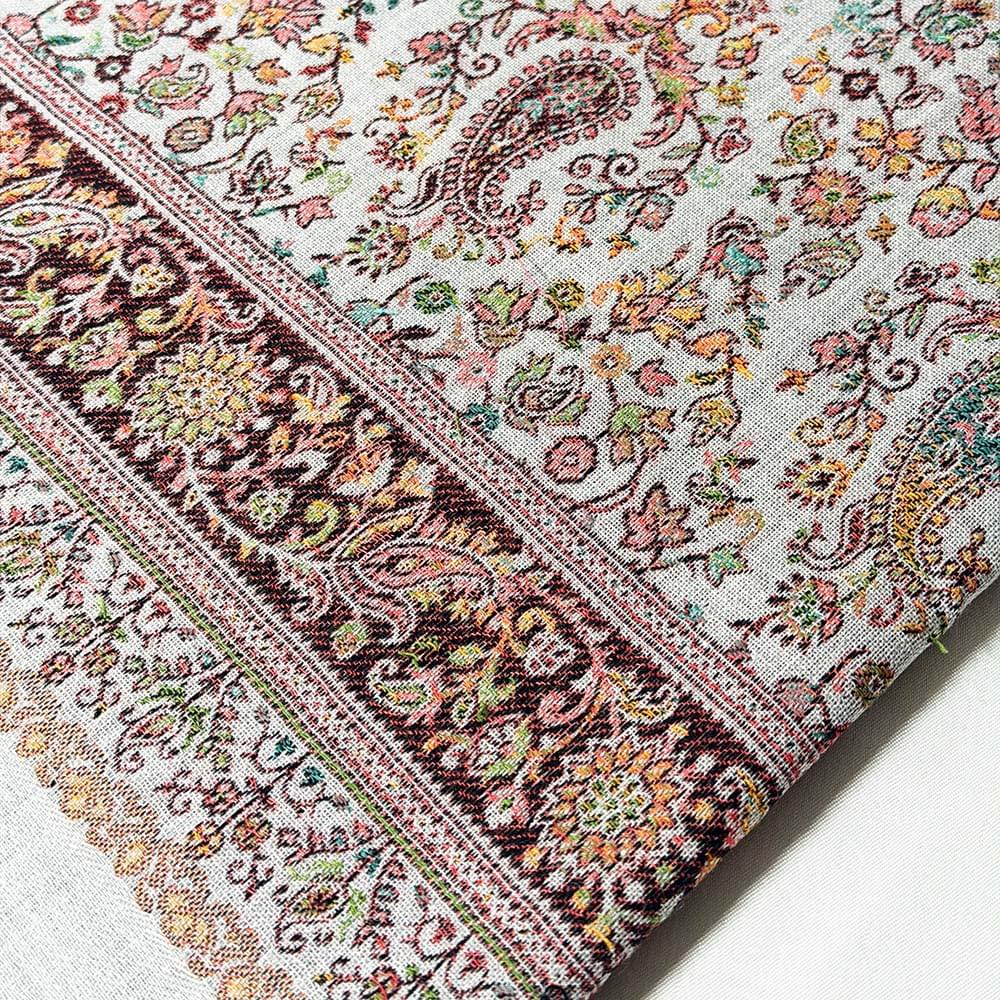
The art of draping a design shawl is far more than casually placing fabric over the shoulder. It is a refined practice shaped by culture, aesthetics, and personal expression. For generations, men have used shawls to represent dignity, authority, and celebration, particularly in weddings, religious gatherings, and formal ceremonies. In contemporary fashion, the shawl has evolved into a versatile statement piece that blends heritage with modern style.
Understanding the Purpose of a Shawl
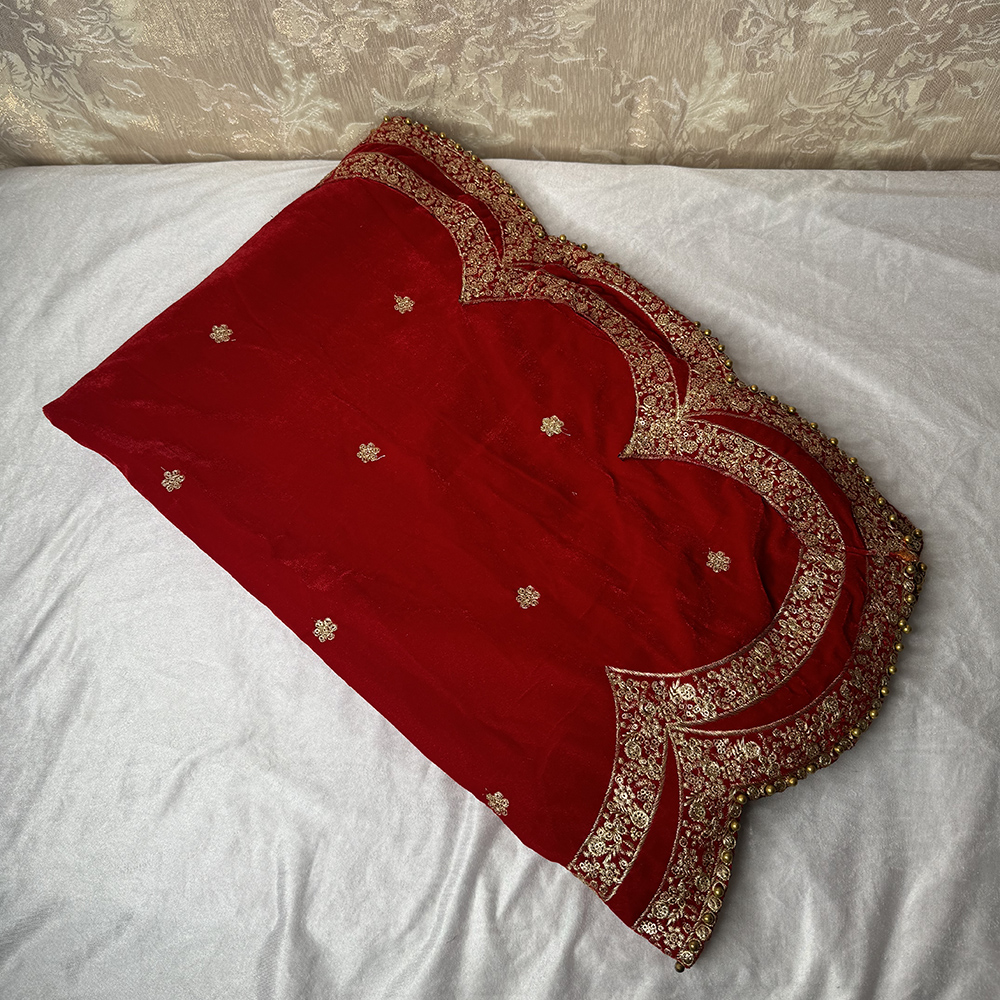
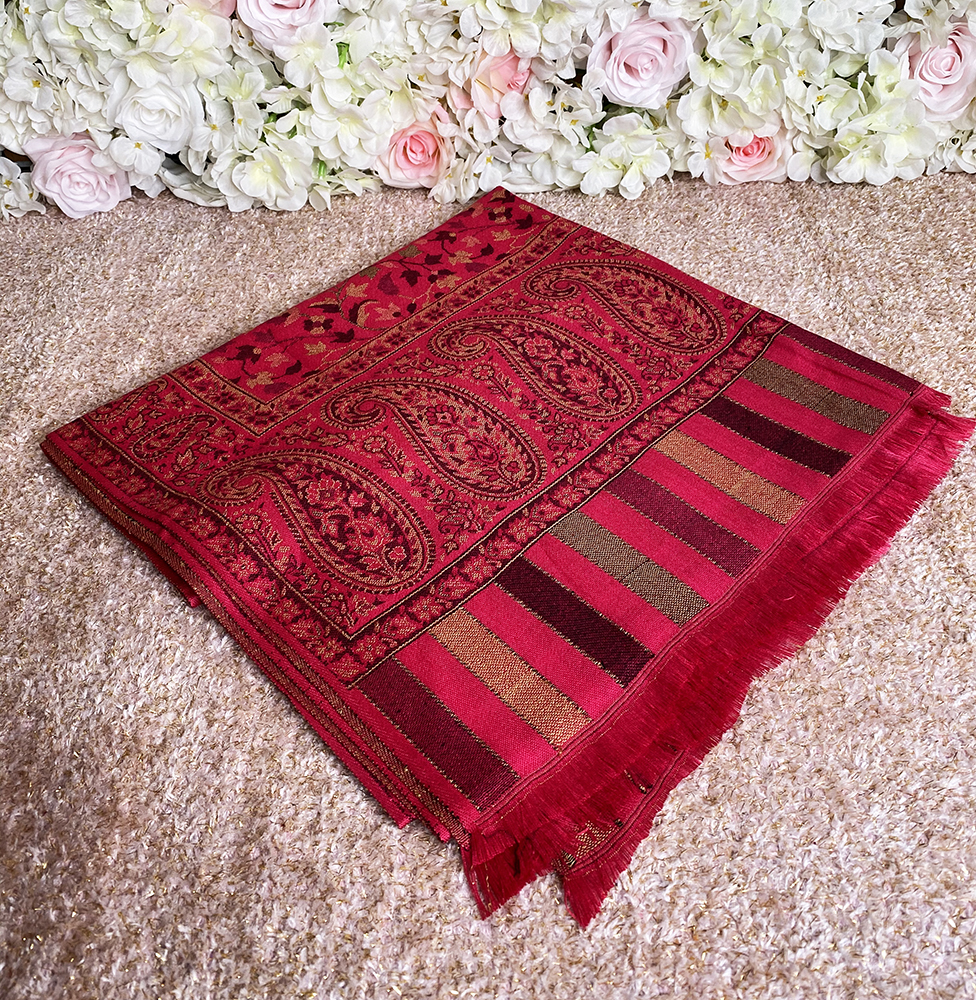
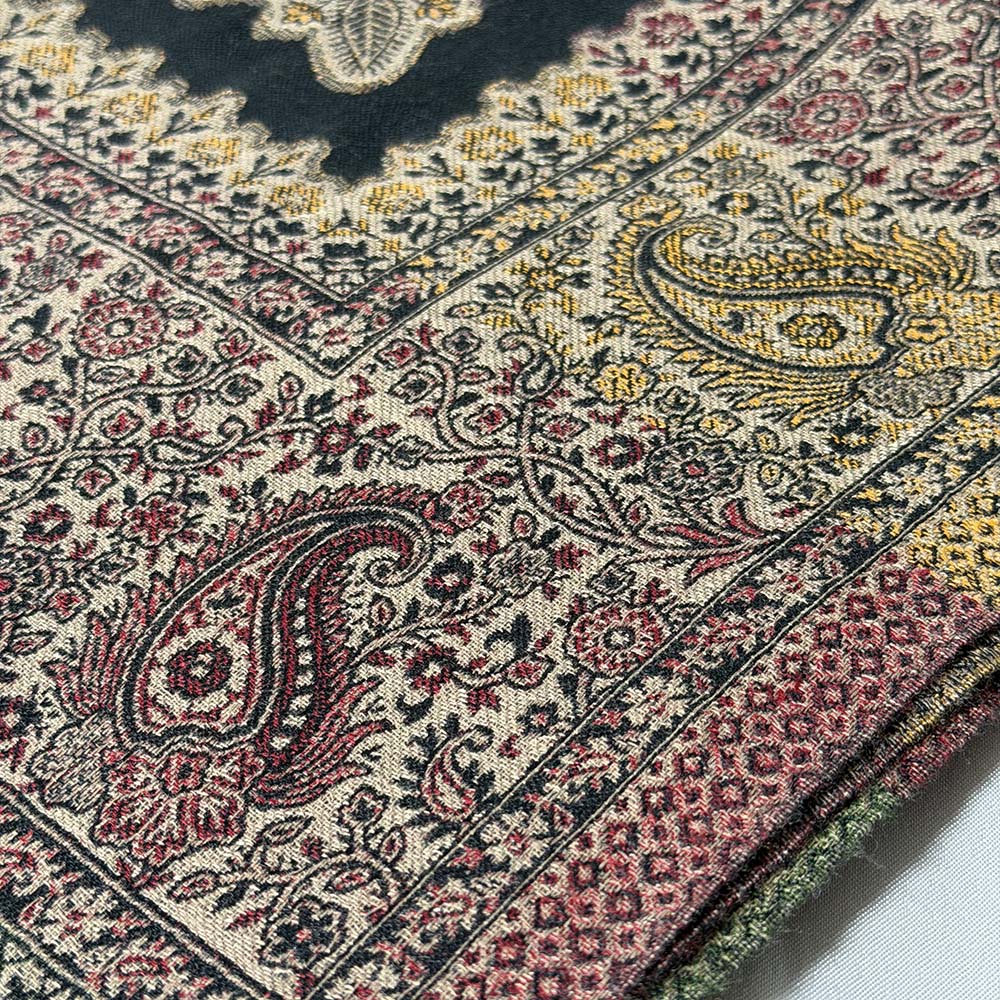
A shawl serves both functional and decorative roles. Historically, it provided warmth and protection, especially in colder regions, but over time it became a symbol of respect and prestige. In Punjabi and Sikh traditions, it often accompanies formal attire and complements elements such as the turban, kurta, and men shawl styling. The intricate embroidery, rich texture, and structured fall of a well-crafted shawl elevate any outfit.
Selecting the Right Fabric and Weight
Before mastering any draping technique, choosing the appropriate men shawl is essential. Fabrics range from lightweight silk, chiffon, and fine blends to heavier wool, velvet, and pashmina. For weddings and evening receptions, richly embroidered or zari-work shawls create a regal impact, while lighter fabrics suit daytime functions and outdoor events. The weight of the shawl affects how it falls, how comfortable it feels, and how easily it can be managed. A poorly chosen fabric can make even a finely …
Preparing Your Outfit Before Draping
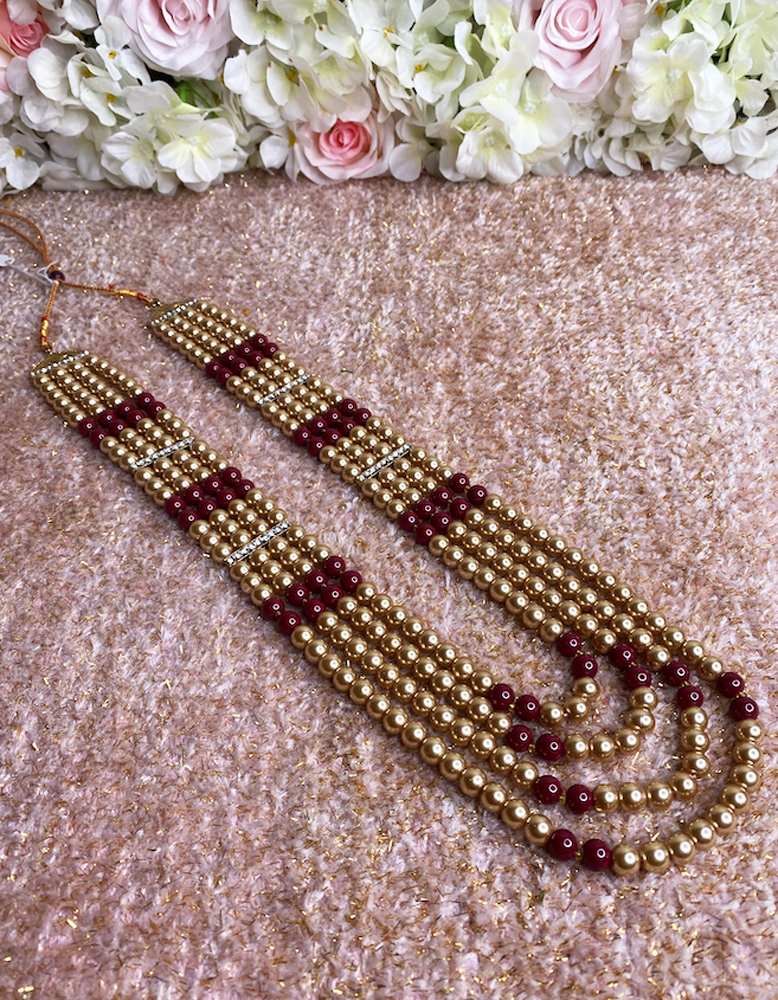
A flawless drape begins with a well-fitted outfit. Whether you are wearing a sherwani, bandhgala, or kurta pajama, ensure that your attire is neatly pressed and tailored to your body. If you plan to wear a men mala necklace, position it properly before draping the shawl so both elements remain visible and balanced. The neckline, collar, and shoulder structure of your outfit influence how the shawl sits, so take a moment to adjust your clothing before proceeding with any draping method.
Classic One-Shoulder Drape Technique
The one-shoulder drape is the most traditional and widely used method. Hold the shawl horizontally behind your back, allowing both ends to hang evenly. Bring one end over your preferred shoulder, typically the left, letting it cascade naturally down your chest. Adjust the length so it does not drag on the floor or sit too high. This style pairs beautifully with a men shawl and creates a dignified, royal appearance suitable for weddings, religious rituals, and formal gatherings.
Front-Cross Draping Method
For a more structured and polished look, try the front-cross drape. Place the shawl across your back and bring both ends forward over your shoulders. Cross them gently at the chest and let them fall neatly at your sides. This technique works particularly well when wearing a men mala necklace, as it frames the accessory without covering it. The front-cross style adds depth and symmetry to your outfit, making it ideal for photography and grand entrances.
Wrap-Around Drape for a Regal Presence
If you prefer a more enveloping and majestic appearance, the wrap-around drape is an excellent option. Drape the shawl over both shoulders, then wrap one end around your back and bring it forward again. This creates a layered effect that adds dimension to your look. Ensure that the shawl is evenly distributed to avoid bulkiness or imbalance. This style complements heavily embroidered men shawl designs and is especially popular among grooms seeking a commanding presence.
Pinned Shoulder Drape for Stability
For long ceremonies where movement is required, securing your shawl with a decorative pin or brooch is both practical and stylish. Drape the shawl over one shoulder and fasten it near your collarbone with a subtle pin. This prevents slipping while maintaining a polished appearance. Choose a pin that matches your outfit or complements your men mala necklace to maintain visual harmony and sophistication.
Layered Drape with Men Palla Integration
In Punjabi weddings, many grooms pair their shawl with a men palla for a more elaborate presentation. Begin by draping the palla diagonally across your chest, then layer the design shawl over one shoulder. This combination creates a rich, textured appearance that highlights both accessories. The key is balance; avoid overcrowding one side and ensure that both pieces remain clearly visible.
Adjusting Length and Symmetry
Once draped, take time to refine the length and symmetry of the shawl. The front should fall gracefully without appearing stiff or forced. If one side looks longer than the other, gently adjust and realign the fabric. A well-balanced drape enhances the overall silhouette of your men shawl and makes your attire appear deliberate and elegant.
Coordinating the Shawl with Your Turban
Your design shawl should harmonize with your turban in color, texture, or embroidery. If your turban is heavily embellished, opt for a more understated shawl, and vice versa. Thoughtful coordination between these elements creates a cohesive and refined appearance. Many grooms choose complementary shades that highlight their men mala necklace and complete their overall ensemble beautifully.
Styling Based on Occasion
The way you drape your shawl can change depending on the event. For religious ceremonies, a simple one-shoulder drape is respectful and traditional. For receptions or photo sessions, more elaborate styles like the wrap-around or pinned drape add drama and flair. Understanding the tone of the occasion helps you select the most appropriate draping technique.
Movement and Comfort Considerations
A beautifully draped shawl should not restrict your movement. Walk, turn, and sit down to test its stability before the main event. If it shifts, slips, or feels uncomfortable, make necessary adjustments. Comfort is just as important as aesthetics, especially when wearing a detailed men shawl for extended periods during wedding rituals or celebrations.
Caring for Your Design Shawl After Use
After the event, handle your shawl with care. Avoid rough folding and store it in a breathable garment bag away from sunlight and moisture. This preserves fabric quality and embroidery for future celebrations and special moments.