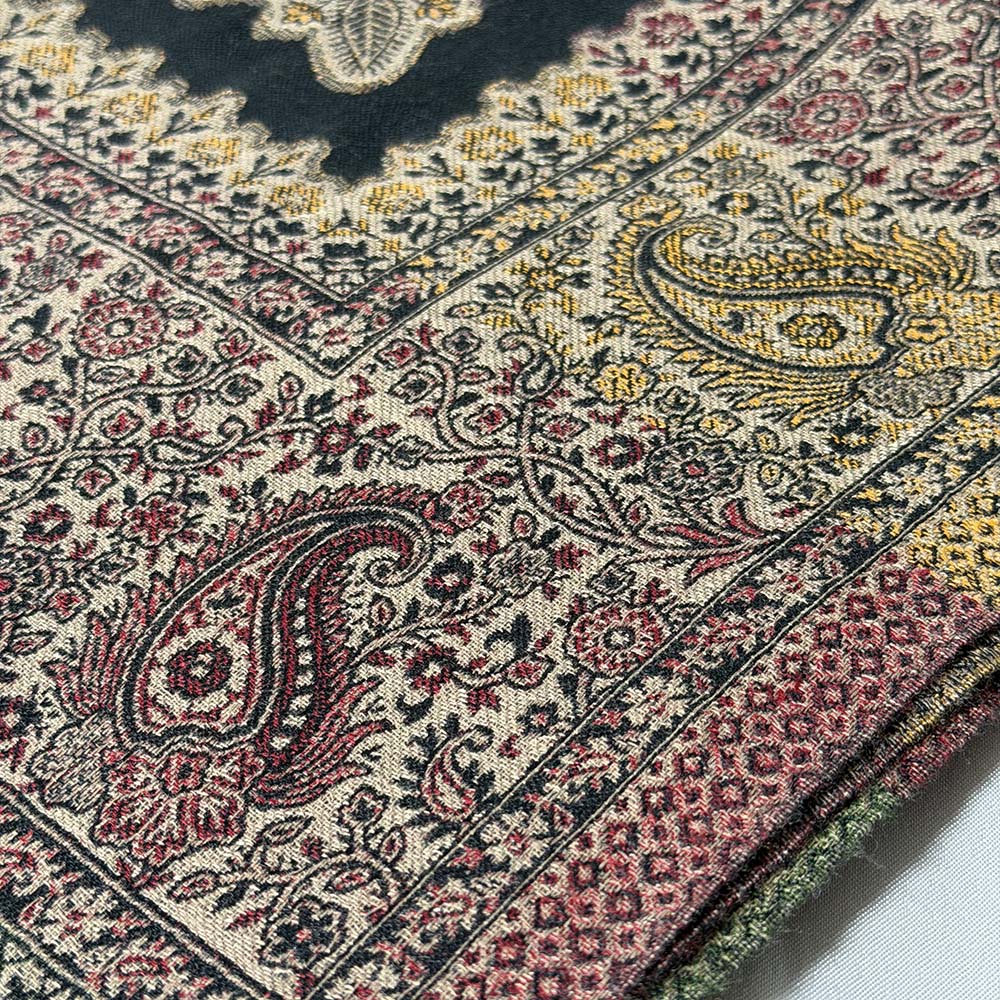
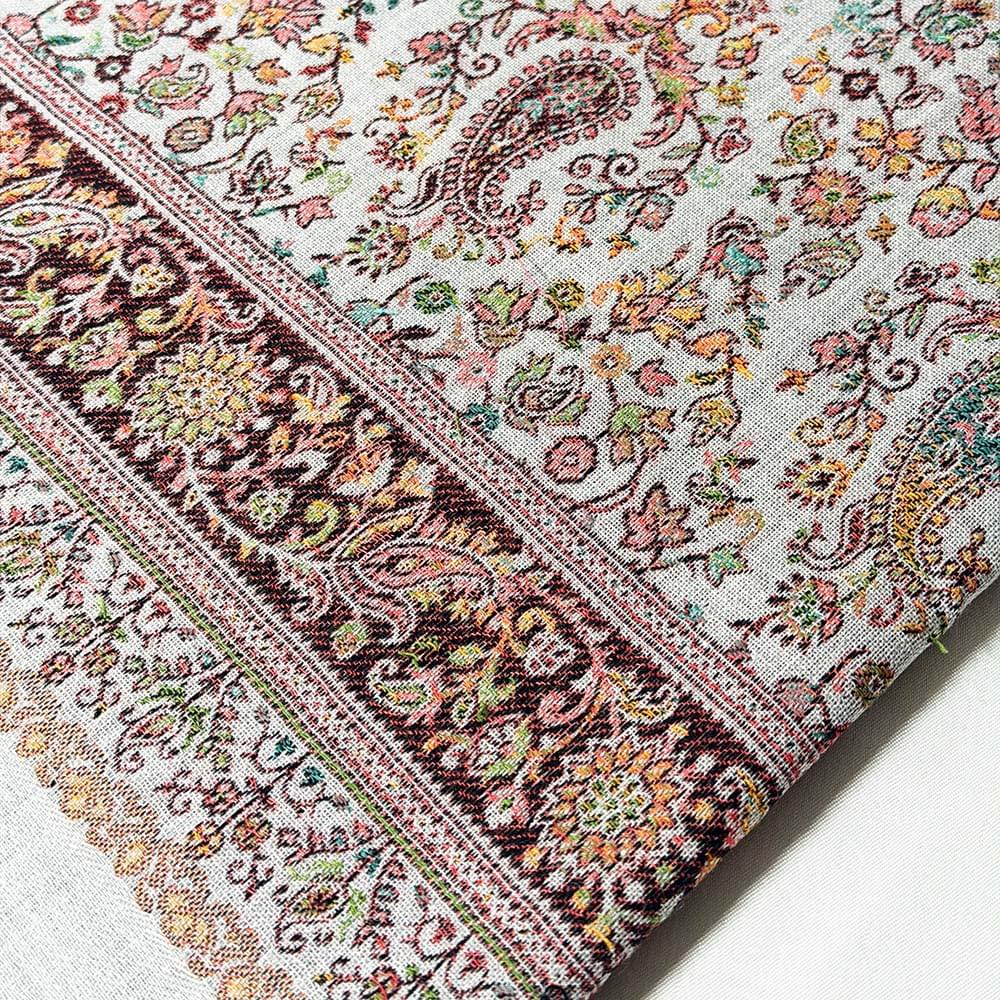
Textiles have always played a pivotal role in human history, serving not only as a means of covering the body but also as a reflection of culture, tradition, and artistry. Among the most cherished textile traditions are design shawls, which carry centuries of heritage, intricate craftsmanship, and cultural symbolism. From the rich weaves of Kashmir to the vibrant patterns of Himachal Pradesh and the exquisite embroidery of Rajasthan, design shawls embody the artistic spirit of the regions they originate from.
Origins of Traditional Design Shawls
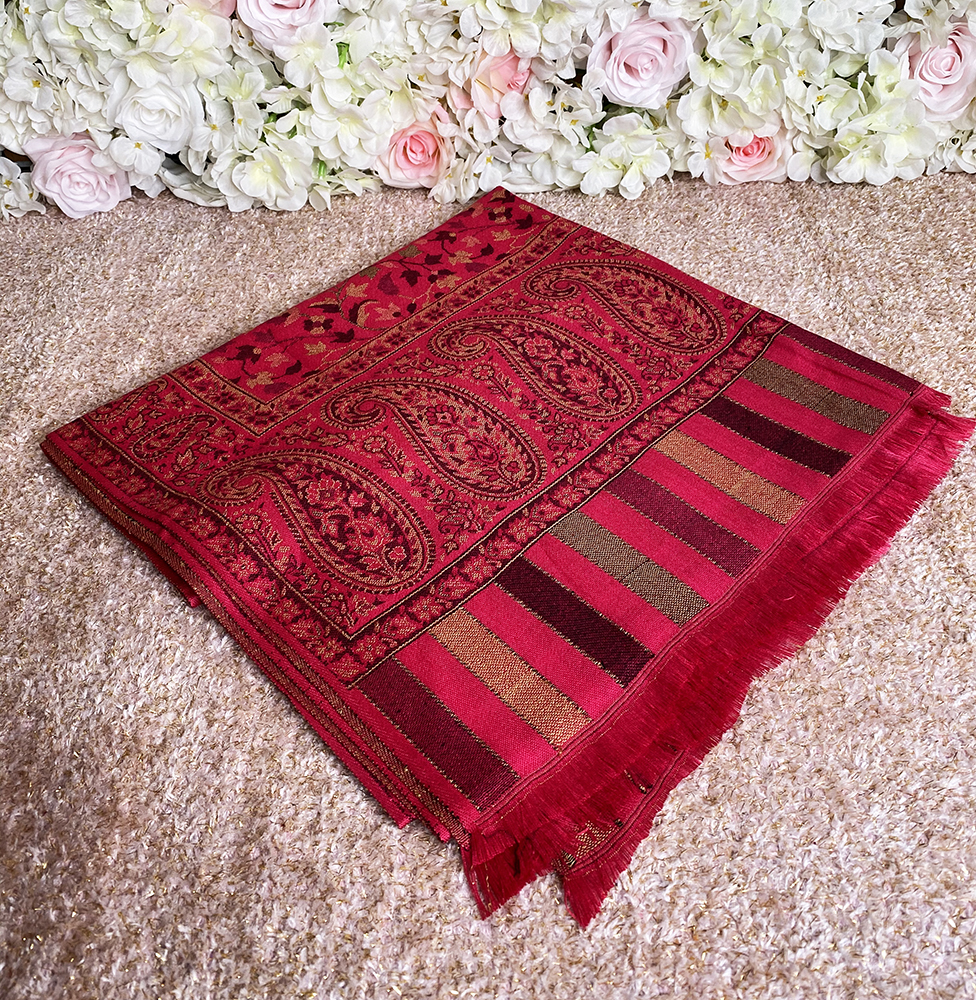
The history of design shawls dates back several centuries, with many styles emerging as luxury items for royalty and nobility. In India, the Kashmiri shawl, particularly the Pashmina, is one of the most famous examples. Renowned for its softness, warmth, and delicate weaving, the Pashmina has been treasured across the world. Similarly, embroidered shawls from Rajasthan and Gujarat, featuring mirror work, zardozi, and intricate thread patterns, have been an essential part of ceremonial and festive attire.
These shawls were not just garments but symbols of status and artistry. They often incorporated motifs inspired by nature, religion, and local legends, making each piece unique. Over time, these traditional patterns evolved, integrating influences from traders, conquerors, and neighboring regions, yet the core craftsmanship and cultural identity remained intact.
Symbolism and Cultural Significance
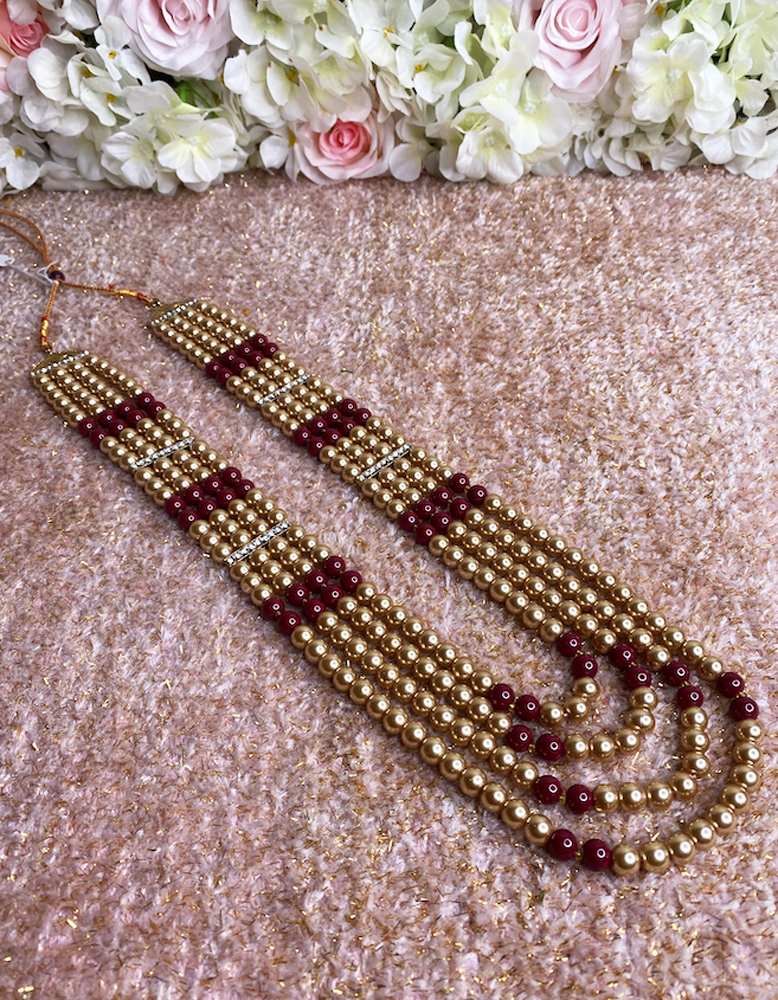
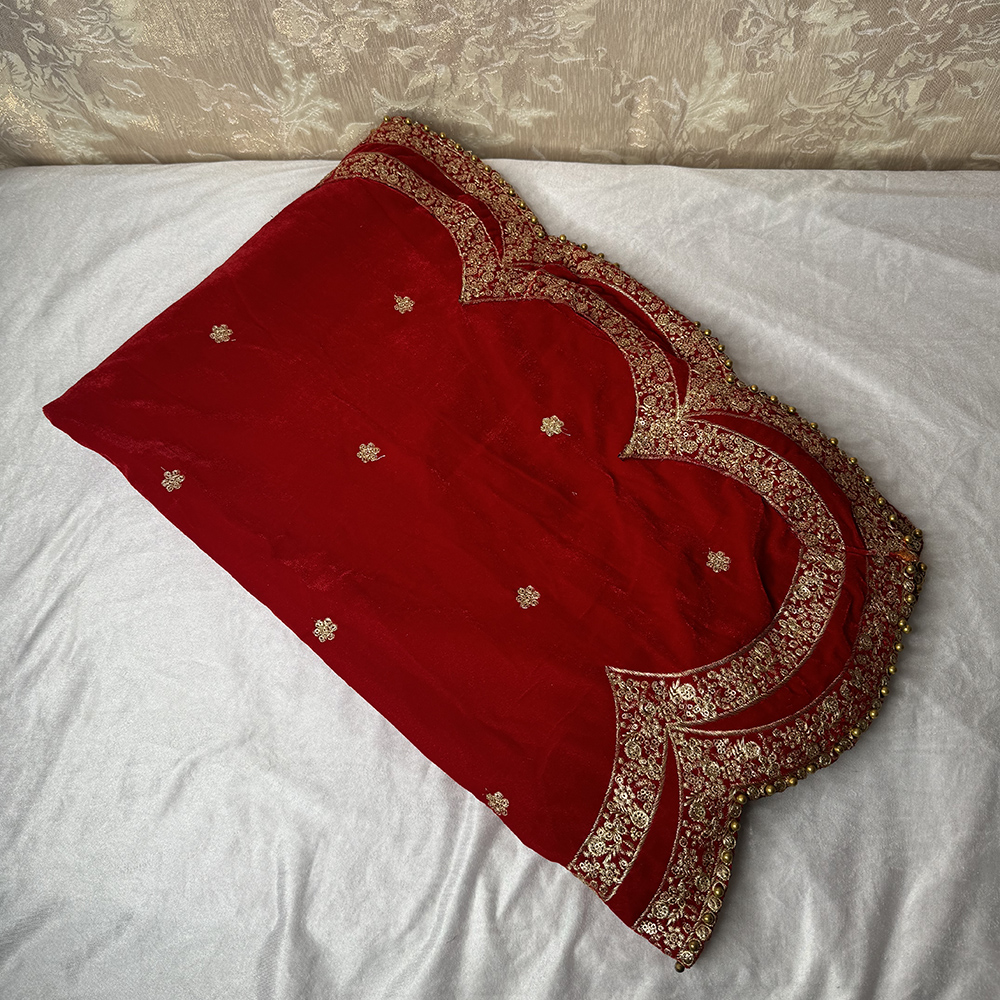
Traditional design shawls are more than just decorative pieces; they are deeply symbolic. In many cultures, a shawl is a token of respect, protection, and blessing. For instance, gifting a finely woven shawl is a gesture of honor and admiration. Brides often receive shawls as part of their trousseau, adding both elegance and cultural meaning to their wedding ensemble. Similarly, grooms may incorporate shawls into ceremonial outfits, complementing other traditional elements like a men mala, which is often worn to signify spirituality, heritage, and status during weddings and religious occasions.
The motifs embroidered on these shawls frequently carry cultural narratives. Paisleys, florals, and geometric patterns often symbolize fertility, prosperity, and protection. Colors are also significant; red and gold are commonly used in bridal shawls for auspiciousness, while blues and greens may represent tranquility and harmony. Through these visual languages, shawls communicate stories and values across generations.
Design Shawls in Modern Weddings
While traditional shawls have centuries of history, they remain highly relevant in contemporary weddings, particularly in the UK, where multicultural celebrations are increasingly common. Couples often seek wedding accessories UK that combine traditional aesthetics with modern practicality. Design shawls fit perfectly in this niche. Brides may drape a beautifully embroidered shawl over their wedding gown or lehenga, adding texture, color, and heritage-inspired charm. Grooms can pair their sherwanis or kurtas with complementary shawls, creating a cohesive and stylish look alongside accessories like a men mala.
Modern wedding designers often blend traditional fabrics with contemporary patterns to cater to a global audience. Lightweight shawls with subtle embroidery or metallic accents are increasingly popular, making them suitable for both indoor and outdoor wedding events. This adaptation ensures that the cultural essence is preserved while meeting the comfort and style demands of today’s couples.
Craftsmanship Behind Traditional Shawls
The making of a design shawl is a labor-intensive process that demands patience, skill, and artistic vision. Traditional weavers often spend months on a single shawl, carefully selecting yarns, dyes, and patterns. Natural fibers like wool, silk, and cotton are preferred for their texture, durability, and ability to hold intricate embroidery. Techniques such as hand-loom weaving, needlework, and tie-dyeing are passed down through generations, maintaining the authenticity and cultural integrity of each piece.
Even today, families in regions like Kashmir, Himachal Pradesh, and Rajasthan continue to uphold these artisanal traditions. By preserving these skills, they ensure that each shawl is not just a fashion accessory but a living representation of cultural heritage. These handcrafted creations are now increasingly sought after as luxury wedding accessories UK, highlighting the fusion of tradition and modern ceremonial elegance.
Styling and Versatility
Design shawls are remarkably versatile and can enhance a variety of wedding ensembles. For brides, a delicately embroidered shawl can be paired with a lehenga, saree, or gown, creating an elegant and layered look. Men can use a shawl to accentuate traditional outfits, harmonizing with other ceremonial items like turbans, cufflinks, and men mala necklaces. Beyond the wedding day, these shawls often become heirlooms, worn during festivals, religious ceremonies, or special family occasions.
Shawls also lend themselves to innovative styling techniques. They can be draped over the shoulder, wrapped around the arms, or even styled as a dupatta replacement for brides seeking a unique yet traditional look. This adaptability ensures that design shawls remain relevant across generations, bridging the gap between cultural preservation and contemporary fashion trends.
Shawls as Gifts and Keepsakes
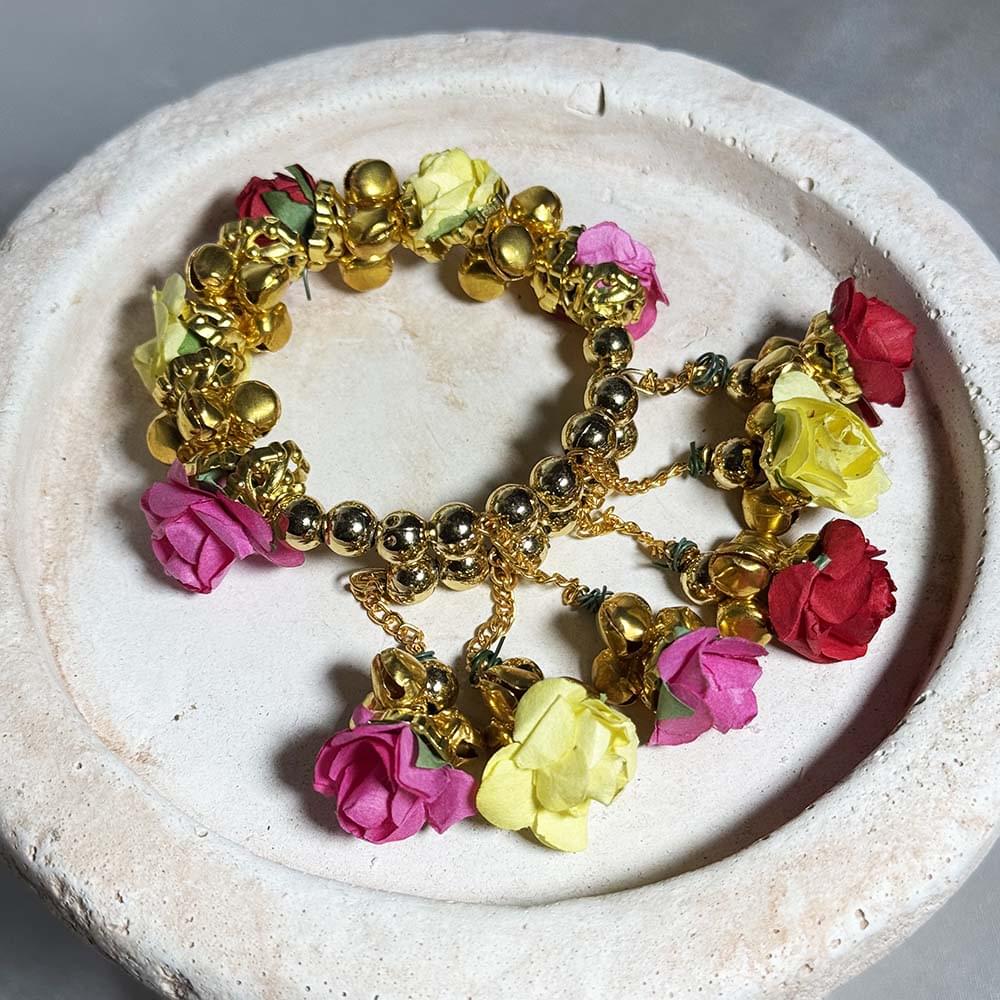
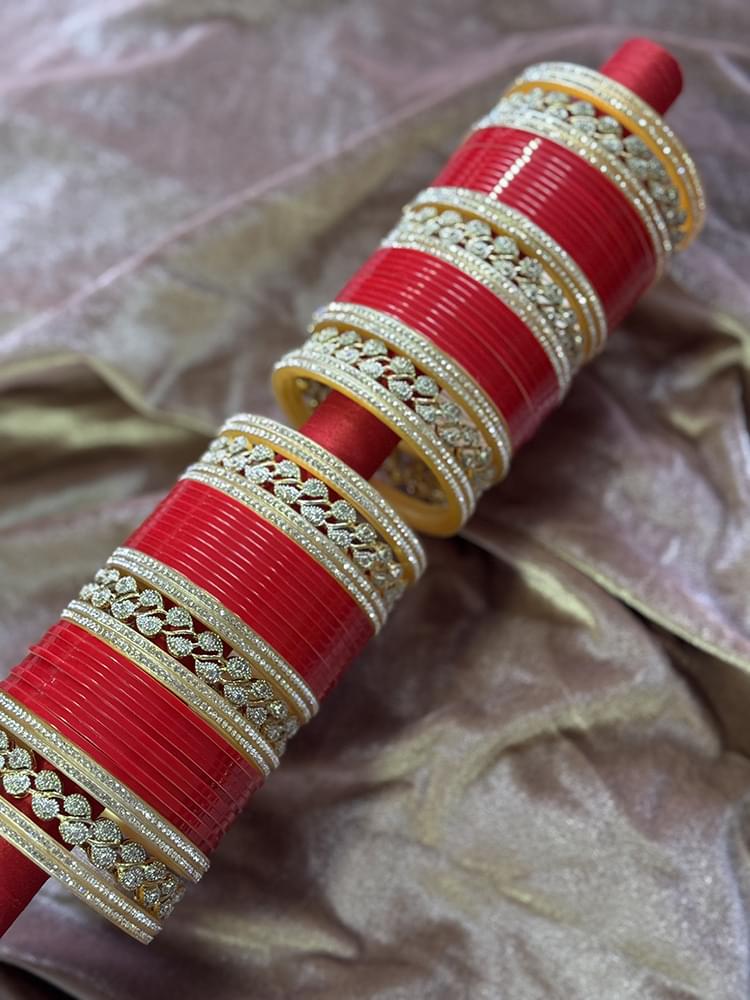
One of the most beautiful aspects of traditional design shawls is their role in gifting and ceremonial exchanges. In weddings, presenting a finely crafted shawl can convey respect, affection, and cultural significance. Couples and families increasingly include these shawls in curated wedding accessories UK collections, along with other thoughtful gifts like jewellery, artisanal sweets, and decorative keepsakes.
Men’s shawls, when paired with a men mala, are especially popular during rituals and religious ceremonies. The combination of a shawl and mala not only enhances the ceremonial attire but also reflects the wearer’s connection to heritage and tradition. Brides and grooms often treasure these gifts long after the wedding, preserving them as symbols of love, culture, and family legacy.
Modern Innovations in Design Shawls
While traditional craftsmanship remains central, contemporary innovations are shaping the design shawl market. Designers experiment with new fibers, blending traditional wool or silk with lightweight synthetics to create shawls suitable for year-round wear. Digital embroidery techniques allow for more intricate and personalized patterns, catering to couples looking for bespoke wedding accessories.
The market in the UK has also embraced online shopping for these culturally rich products. Brides and grooms can explore collections of design shawls and other wedding accessories UK online, choosing pieces that perfectly match their aesthetic preferences, ceremonial requirements, and budget. This accessibility has made it easier than ever for individuals to celebrate cultural heritage without compromising on modern convenience.
The Global Appeal of Traditional Shawls
The cultural heritage embedded in design shawls has universal appeal. From South Asian weddings in the UK to international celebrations, these shawls are increasingly recognized as luxury fashion items that embody history, artistry, and elegance. Whether draped gracefully over a bride’s shoulders or paired with a groom’s ceremonial attire alongside a men mala, design shawls continue to represent the beauty of tradition in a globalized world.
Through every stitch, weave, and motif, these shawls tell stories of generations past while seamlessly integrating into modern wedding practices. Their enduring relevance underscores the importance of preserving artisanal craftsmanship and cultural identity, making design shawls more than just garments they are living heritage.