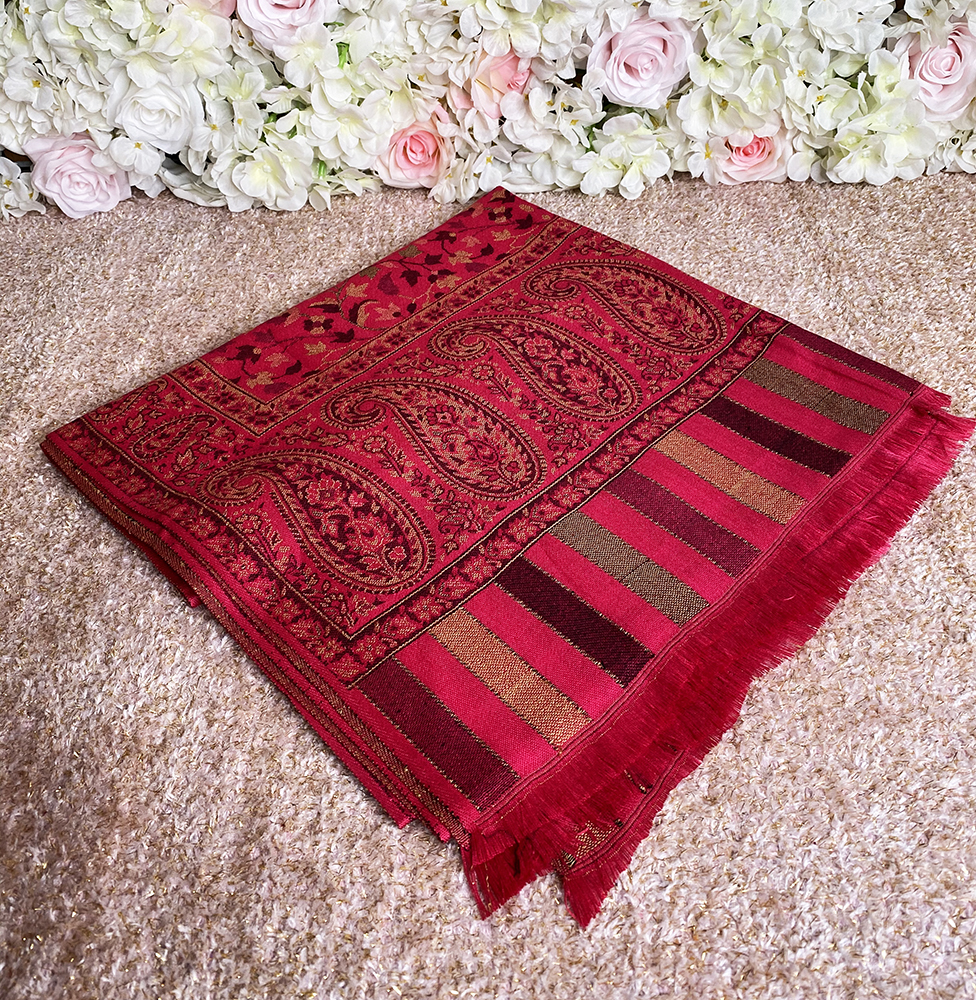
Style is often in the details, and for men, accessories have become just as important as the main outfit. One timeless accessory that has never gone out of fashion is the design shawl. Unlike a simple scarf or wrap, a design shawl is crafted to elevate an ensemble with elegance, luxury, and cultural significance. When chosen carefully, it has the power to transform even the simplest outfit into a refined statement.
In South Asian, Middle Eastern, and even Western fashion, men’s shawls have always held symbolic value. In the UK, especially with multicultural weddings and events, design shawls have become a go-to accessory for grooms, guests, and style enthusiasts who want to blend tradition with modern appeal.
Why Shawls Remain Essential in Men’s Fashion
In South Asian traditions, they were once reserved for kings and nobles, worn as a mark of respect and status. Today, they still hold prestige, especially at weddings, cultural celebrations, and formal gatherings.
The reason shawls continue to thrive is their versatility. They can be paired with traditional wear like sherwanis, layered with contemporary western suits, or even styled casually with kurtas. A design shawl adds depth and texture, turning a plain outfit into something eye-catching without being overly complicated.
Shawls in Sikh and South Asian Weddings
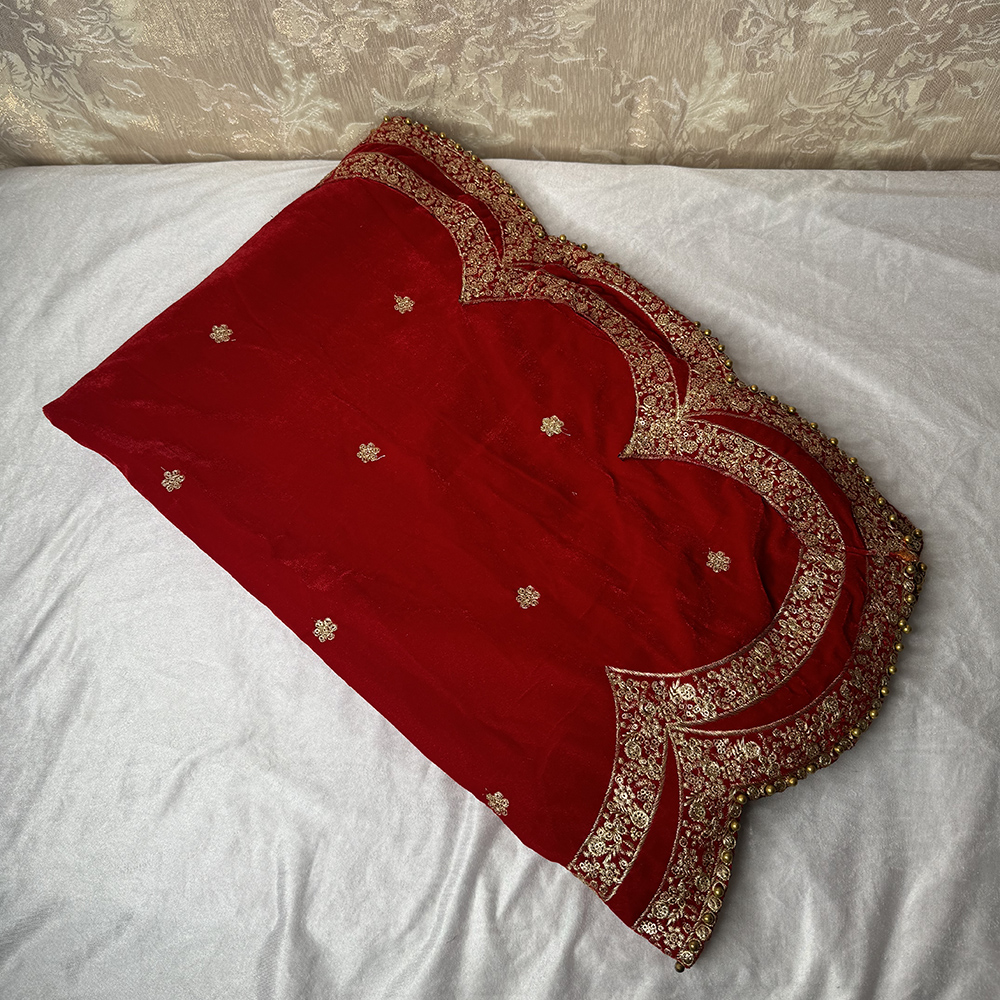
Weddings are one of the occasions where shawls truly shine. In Sikh and Punjabi traditions, grooms often style their sherwanis with elaborately designed shawls. These are usually embroidered, embellished, or made of rich fabrics like velvet or silk.
A typical groom’s outfit often includes:
A design shawl draped over one shoulder.
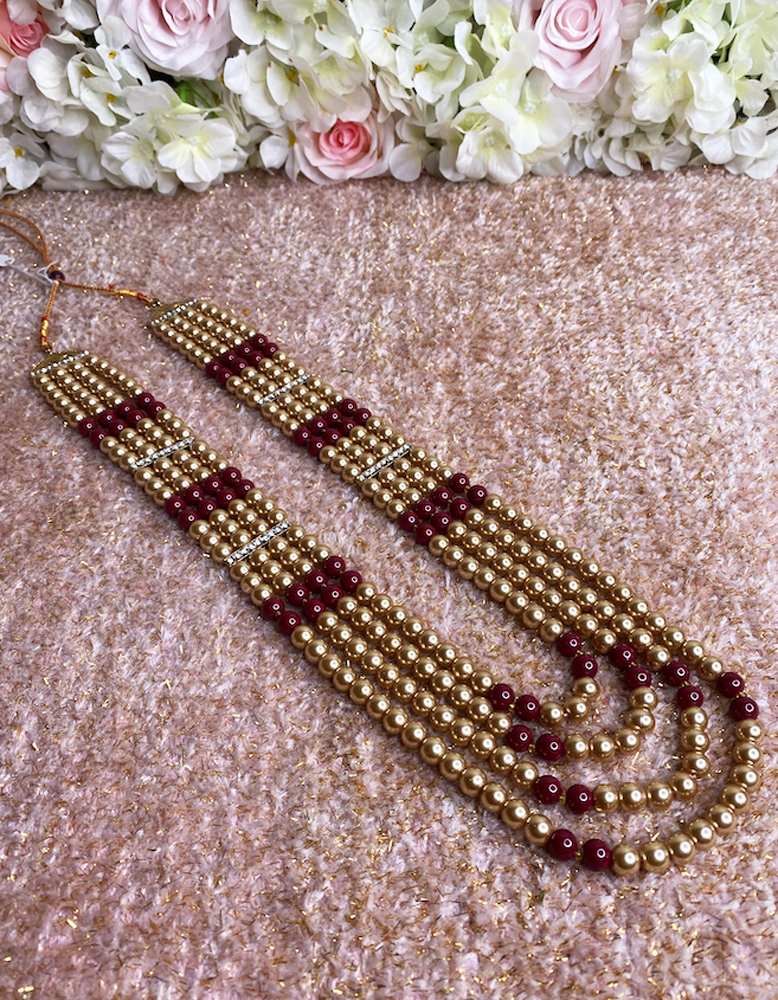
A men mala necklace, symbolizing grace and regality.
A turban, often matched using premium turban material UK retailers provide.
This combination not only enhances the groom’s appearance but also reflects centuries of tradition. The shawl, mala, and turban together create a harmonious look that is elegant, spiritual, and visually commanding.
Guests at Sikh and South Asian weddings also wear shawls as part of their attire. From lightweight silk shawls with subtle patterns to heavily embroidered designs, these accessories make the outfit more polished and appropriate for a grand occasion.
Transforming Outfits with Design Shawls
One of the greatest strengths of design shawls is their transformative power. Here are some ways they enhance men’s fashion:
Adding Grandeur to Sherwanis – A plain sherwani looks majestic when paired with an embroidered velvet shawl.
Elevating Western Wear – In the UK, men are increasingly styling shawls over tuxedos or suits, creating a refined, fusion-inspired look.
Enhancing Everyday Kurtas – A simple kurta pajama paired with a printed or textured shawl becomes sophisticated and stylish.
Bridging Seasons – Woollen shawls provide warmth in colder months without compromising elegance, making them functional yet fashionable.
Types of Design Shawls for Men
Men today can choose from a wide range of design shawls depending on the occasion and outfit:
Velvet Shawls: Luxurious, rich, and perfect for grooms or formal winter events.
Silk Shawls: Lightweight and glossy, suitable for festive gatherings and evening functions.
Woollen Shawls: Both practical and stylish, ideal for the UK climate.
Embroidered Shawls: Featuring zari, sequins, or threadwork, these are statement pieces for weddings.
Minimalist Shawls: Solid colors or subtle prints for modern, understated style.
Each style has its charm, but what makes them transformative is how they are worn and accessorized.
Styling Techniques for Men’s Shawls
Men can experiment with various draping techniques to achieve different looks:
One-Shoulder Drape: The most traditional style, draped neatly over one shoulder, especially for weddings.
Full Wrap: Ideal for winter, this style provides warmth while maintaining elegance.
Cape Style: Draped over both shoulders like a cape, often chosen by grooms for regal appeal.
Layered with Turban: Matching the shawl with turban material UK creates a cohesive and polished wedding look.
Pairing Shawls with Accessories
Men Mala Necklace: When paired with a design shawl, a mala necklace gives the groom an aura of dignity and spiritual elegance. It balances the heavy fabric with jewelry that holds cultural meaning.
Turbans: For Sikh men, the turban is an integral part of their attire. Matching a shawl with turban fabric sourced from turban material UK stores ensures harmony in the outfit.
Footwear: Traditional juttis or formal shoes complete the look, tying together the shawl and the rest of the outfit.
The balance between shawls and accessories creates a look that is stylish yet respectful of tradition.
Design Shawls in the UK Market
The UK has become a hub for multicultural fashion, with South Asian, Middle Eastern, and Western influences blending seamlessly. Shawls are widely available in ethnic fashion boutiques, designer bridal shops, and online platforms.
For Weddings: Richly embroidered or velvet shawls dominate the market.
For Formal Wear: Men opt for silk or plain wool shawls that complement suits.
For Casual Fashion: Printed or minimalist shawls are popular for everyday use, especially during winter.
Many families in the UK also customize shawls for grooms, ensuring they align with the bridal outfit or family tradition. This has led to a rise in bespoke design shawls, where customers can select embroidery, fabric, and color combinations.
The Modern Appeal of Shawls
Modern designers are pushing shawls beyond their traditional identity by experimenting with patterns, colors, and textures. Today’s men can find reversible shawls, metallic-thread embroidery, and even personalized monogrammed designs.
At weddings, these innovations make it easier for grooms to express individuality. A groom may choose a velvet shawl embroidered with family crests or initials, pairing it with a classic men mala necklace and a turban crafted from premium turban material UK.