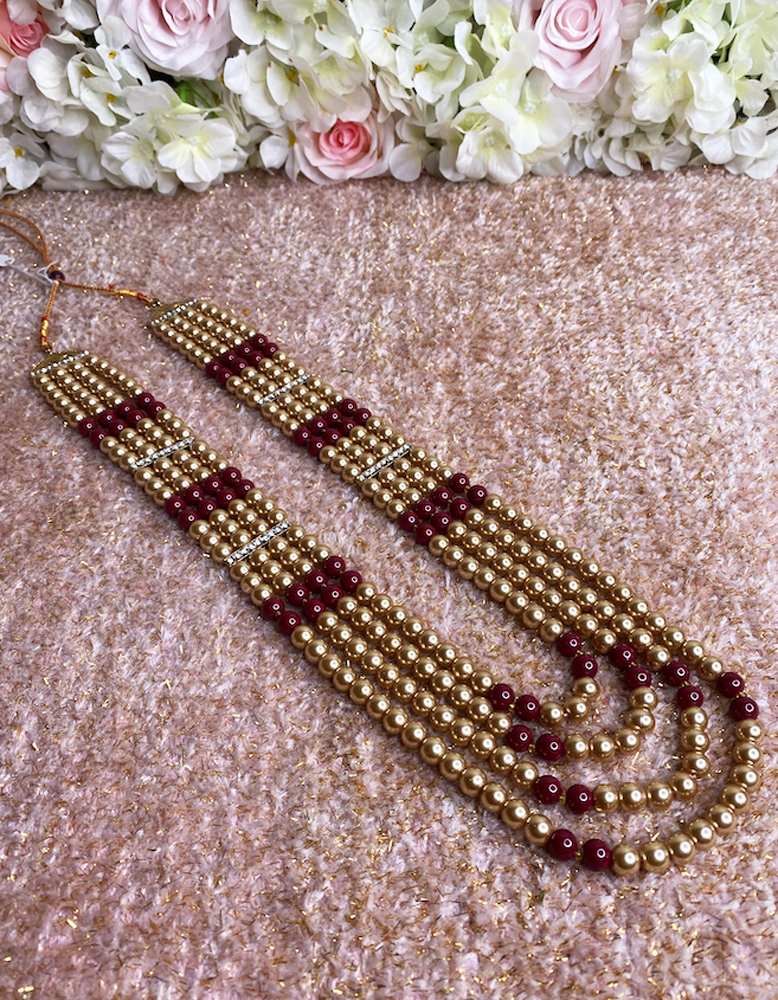
Weddings in South Asian culture are a blend of tradition, symbolism, and carefully curated aesthetics. Every accessory, fabric, ritual, and color plays a purposeful role in shaping the couple’s story. Among the groom’s most significant accessories, the Men Mala Necklace stands out as one of the most symbolic and visually powerful elements. Far beyond its ornamental look, the mala represents heritage, pride, and timeless elegance. It is a piece that connects the groom to centuries of cultural history while elevating his modern wedding style.
In recent years, the mala has evolved into a statement accessory for grooms worldwide, whether worn in Indian, Punjabi, or Sikh weddings. The renewed appreciation for traditional grooming and royal-inspired fashion has brought malas to the forefront of groom styling. Today, no groom’s ensemble feels complete without a carefully chosen mala necklace that harmonizes with the sherwani, turban, and other Sikh wedding accessories.
A Symbol of Royalty Across Generations
Men mala necklaces have long been associated with kings, warriors, and noble families across South Asia. In ancient paintings and historical records, rulers are depicted wearing multi-layered mala crafted from pearls, precious stones, or gold. These necklaces were expressions of prestige and valor, symbolizing both spiritual and worldly power.
When a groom wears a mala today, he embodies that same heritage of strength and honor. It is not merely a fashion item it’s a continuation of a legacy passed down through generations. In weddings, where culture meets celebration, wearing a mala reconnects the groom with his roots.
Why Mala Necklaces Matter in Modern Weddings
1. They Complete the Groom’s Traditional Look
A groom’s attire is rich with details embroidered sherwanis, handcrafted shoes, elegant turbans, and cultural elements selected with intention. The mala necklace is the finishing touch that brings all these elements into harmony. Regardless of the wedding theme traditional, royal, minimalistic, or modern fusion, the right mala enhances the groom’s presence and elevates the overall outfit.
2. They Add Royal Charm and Confidence
The moment a groom steps into the wedding venue, all eyes naturally turn to him. A mala necklace amplifies this moment by adding depth, grace, and sophistication to his look. Whether it’s a single-strand pearl mala or a multi-layered polki mala, the necklace enhances his confidence and appearance.
3. They Carry Cultural and Emotional Significance
Weddings are emotional events filled with rituals, blessings, and symbolic objects. The mala becomes part of that symbolism. It represents prosperity, purity, and tradition. For many families, the mala is also a sentimental heirloom that holds stories from past generations.
4. They Pair Perfectly with Sikh Wedding Accessories
In Sikh weddings, accessories are thoughtfully chosen to complement the groom’s attire and the sacredness of the Anand Karaj ceremony. The mala necklace fits beautifully within the set of essential Sikh wedding accessories, such as:
-
The turban (dastar or pagdi)
-
Kalgi (turban ornament)
-
Kirpan (symbol of courage)
-
Sehra (depending on tradition)
Together, these elements shape a regal and culturally rich look that honors Sikh heritage.
The Role of Turban Material in Coordinating the Groom’s Look
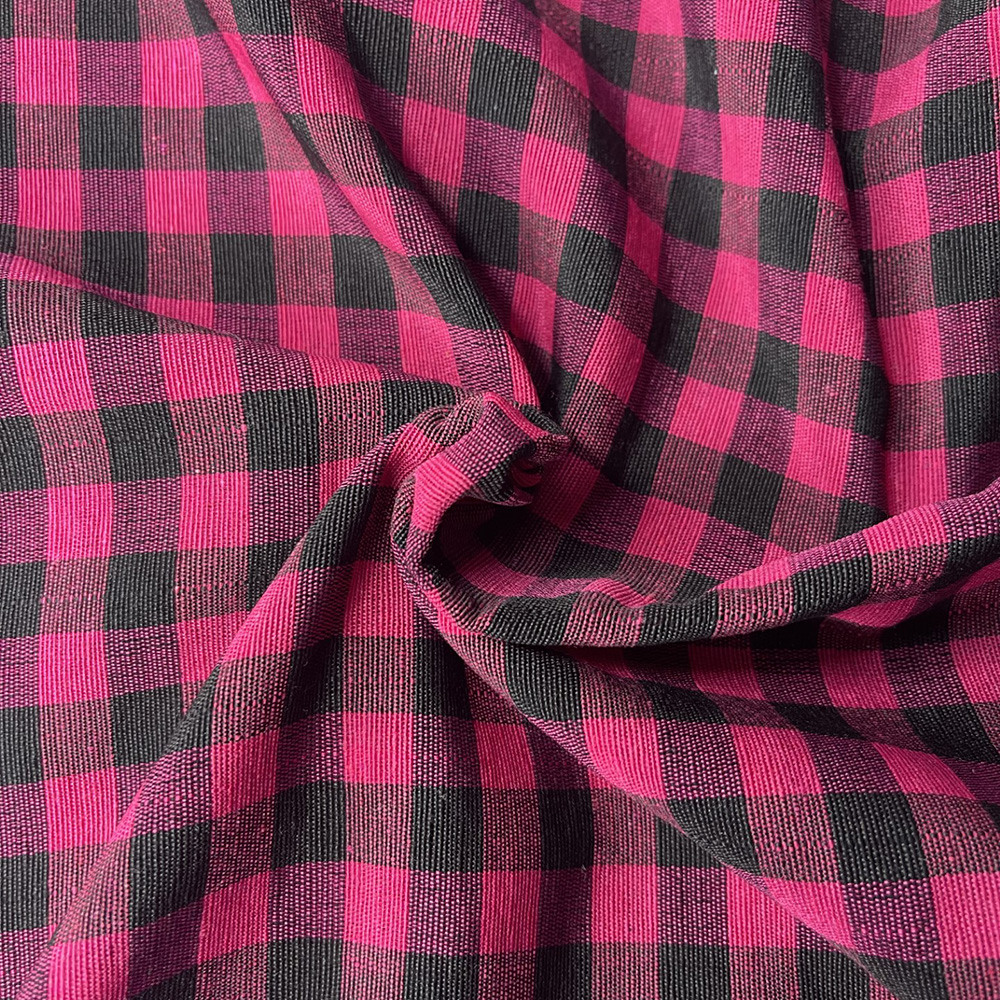
One of the most important aspects of a groom’s styling is selecting the right turban material. The turban is the crown of the groom, symbolizing pride, spirituality, and honor. The fabric chosen can influence the color palette, texture, and overall flow of the wedding outfit.
The mala necklace must coordinate beautifully with the turban material to create a balanced aesthetic.
Silk Turban Material
Silk turbans are luxurious and soft, making them ideal for grand weddings. They pair well with gemstone malas, polki malas, and multi-layered pearl necklaces for a royal effect.
Velvet Turban Material
Velvet adds richness and depth, often seen in traditional Punjabi and Sikh wedding attire. Heavy kundan or polki malas complement velvet turbans perfectly.
Rubia or Cotton Turban Material
These are lightweight, breathable, and common in Sikh weddings. Simple bead malas or single-strand pearl malas blend gracefully with cotton turbans.
Organza or Tissue Turban Material
These materials create a delicate and elegant look. Fine pearl malas or small polki malas match these softer fabrics very well.
By aligning the mala with the turban material, the groom achieves a well-balanced and visually appealing appearance that stands out beautifully in photographs and ceremonies alike.
Different Types of Men Mala Necklaces and Their Importance
Pearl Mala
Pearls symbolize purity and elegance. Pearl malas work well with lighter sherwanis and pastel turbans, giving the groom a refined and graceful appearance.
Polki and Kundan Mala
These malas showcase intricate craftsmanship and radiate opulence. They are especially popular in Sikh and Indian weddings where traditional jewelry dominates.
Gemstone Mala
Ruby, emerald, sapphire, and onyx malas bring color, personality, and spiritual symbolism. Each stone carries its own meaning courage, wealth, wisdom, or protection.
Rudraksha Mala
Rudraksha beads are connected to spirituality and meditation. Some grooms choose them to reflect inner peace and devotion while retaining cultural authenticity.
Beaded or Wooden Mala
Minimalistic, lightweight, and earthy, these malas appeal to modern grooms who prefer subtle expressions of tradition.
How Mala Necklaces Enhance Wedding Photography
Wedding photography captures moments that last a lifetime. The mala necklace adds a layer of depth and texture to groom portraits, enhancing close-ups and wide shots alike. The beads catch light beautifully, creating a regal visual effect. When paired with coordinated Sikh wedding accessories and rich turban material, the groom’s look transforms into a portrait of timeless style.
Emotional Value: More Than Just an Ornament
For many grooms, the mala necklace holds more than aesthetic value. It may be gifted by a father, blessed by elders, or selected by the bride as a meaningful symbol of their new journey together. Some families pass down malas as heirlooms, making them a living connection to ancestors and cherished memories.