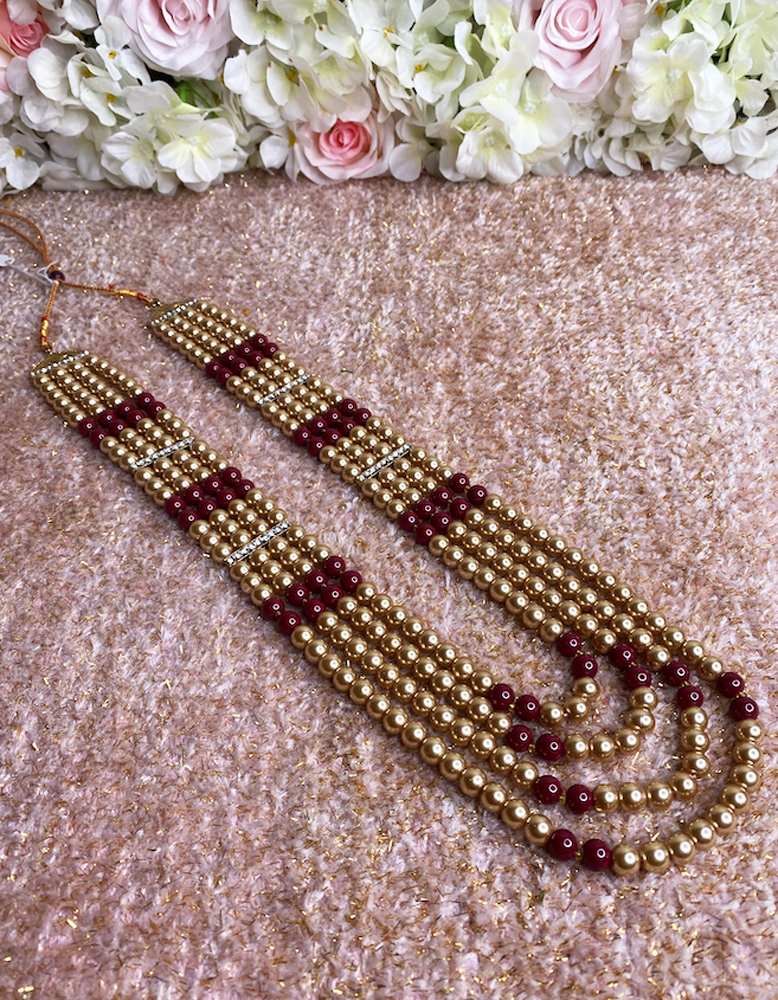
Sikh weddings, known as Anand Karaj, are deeply spiritual ceremonies rooted in equality, humility, and devotion. Unlike weddings driven purely by visual grandeur, Sikh weddings place meaning above display. Yet, accessories still play an important role not as symbols of excess, but as expressions of faith, respect, culture, and identity. From the groom’s turban to the bride’s subtle adornments, every accessory carries purpose and tradition.
This balance of spirituality and elegance is what makes Sikh wedding accessories truly unique.
Understanding Spiritual Elegance in Sikh Weddings
Spiritual elegance in a Sikh wedding is about grace without extravagance. Accessories are chosen to complement the sacred atmosphere of the Gurdwara while reflecting cultural heritage. The goal is never to overshadow the Guru Granth Sahib, but to present oneself with dignity and reverence.
Each accessory whether worn by the bride, groom, or family members supports the values of Sikhism: simplicity, discipline, and respect.
The Groom’s Turban: Identity, Honour, and Faith
The turban (Dastar) is the most significant accessory for a Sikh groom. It represents sovereignty, self-respect, and commitment to Sikh values.
Importance of Turban Material
Choosing the right turban material is essential for both comfort and symbolism. Traditional fabrics such as:
-
Pure cotton
-
Rubia voile
-
Full voile
-
Malmal
are preferred because they are breathable, structured, and suitable for long ceremonies.
The turban material must allow the turban to hold its shape while remaining comfortable during prayers, Laavan, and blessings. Heavier fabrics are often chosen for winter weddings, while lighter weaves suit summer Anand Karaj ceremonies.
Colour Significance
-
Ivory & Cream – purity and peace
-
Saffron – sacrifice and courage
-
Red & Maroon – celebration and commitment
-
Pastels – modern elegance with tradition
The groom’s turban is often coordinated with accessories like the kalgi, men palla, or shawl, ensuring a respectful yet regal look.
The Bride’s Accessories: Grace Rooted in Tradition
Sikh brides embrace adornment in a way that aligns with modesty and meaning. While Sikhism does not require elaborate jewellery, cultural practices have shaped bridal styling over generations.
Jewellery with Meaning
Bridal jewellery is chosen to enhance elegance without excess. Common pieces include:
-
Kangan or kara-inspired bangles
-
Subtle necklaces
-
Earrings that do not overpower the look
Jewellery often reflects family heritage rather than trends, making it emotionally valuable.
Indian Bindis in Sikh Bridal Styling
While not a religious requirement in Sikhism, Indian Bindis have become a cultural addition for many Sikh brides, especially in North India and diaspora communities. When used tastefully, bindis:
-
Add balance to the bridal look
-
Complement lehenga or salwar colours
-
Reflect regional and cultural aesthetics
Sikh brides typically opt for small, subtle bindis in red, maroon, or neutral tones, ensuring they enhance the face without drawing excessive attention during the ceremony.
Accessories During the Anand Karaj Ceremony
Inside the Gurdwara, accessories are intentionally minimal. This reflects the Sikh belief that all individuals are equal before the Guru.
Head Coverings for All
Covering the head is mandatory for everyone entering the Gurdwara. Dupattas, scarves, or turbans become essential accessories that symbolize humility and respect.
Footwear & Minimalism
Shoes are removed before entering the prayer hall. Heavy makeup, flashy jewellery, and loud accessories are avoided to maintain the sanctity of the space.
Ceremonial Accessories with Cultural Value
Certain accessories appear before or after the Anand Karaj as part of family customs rather than religious obligations.
Kalgi and Sarpech
The groom may wear a kalgi during processions or celebrations outside the Gurdwara. This decorative piece symbolizes honor and royal heritage but is often removed during prayers.
Shawls and Dupattas
Design shawls or phulkaris are commonly gifted to the couple by elders. These accessories represent blessings, warmth, and acceptance into the family.
Accessories for Sikh Wedding Guests
Guests attending Sikh weddings also follow accessory etiquette:
-
Modest jewellery
-
Soft colours
-
Comfortable fabrics
-
Proper head coverings
Accessories are chosen to respect the ceremony rather than compete visually with the bride and groom.
Balancing Modern Style with Tradition
Modern Sikh weddings often blend traditional accessories with contemporary fashion. Designers now focus on:
-
Lightweight jewellery
-
Elegant turban material in pastel tones
-
Minimalist Indian Bindis
-
Coordinated accessories for pre-wedding events
This evolution allows couples to express individuality while staying true to Sikh values.
Cultural vs Religious Accessories: Knowing the Difference
Understanding the difference between cultural and religious accessories is key:
-
Religious: Turban, head covering, kara
-
Cultural: Bindis, kalgi, decorative jewellery
This awareness helps couples plan weddings that honor faith while embracing cultural beauty.
Choosing Accessories with Meaning
When selecting Sikh wedding accessories, couples should consider:
-
Comfort during long ceremonies
-
Symbolism over trend
-
Harmony with the Gurdwara setting
-
Respect for Sikh principles
Accessories should enhance the spiritual experience, not distract from it.
The Timeless Appeal of Sikh Wedding Accessories
What makes Sikh wedding accessories timeless is their intention. They are not chosen to impress but to express:
-
Faith
-
Gratitude
-
Cultural pride
-
Family values
Whether it’s the careful selection of turban material, the subtle placement of Indian Bindis, or the graceful jewellery worn by the bride, every detail contributes to a wedding rooted in spirituality.
Conclusion: Elegance Guided by Faith
Sikh weddings remind us that true elegance lies in purpose. Accessories are not mere ornaments; they are carriers of tradition, respect, and belief. When chosen thoughtfully, they enhance the sacred beauty of the Anand Karaj without overshadowing its spiritual essence.
In a world of evolving fashion, Sikh wedding accessories continue to stand as symbols of balance where devotion meets design, and faith defines elegance.